
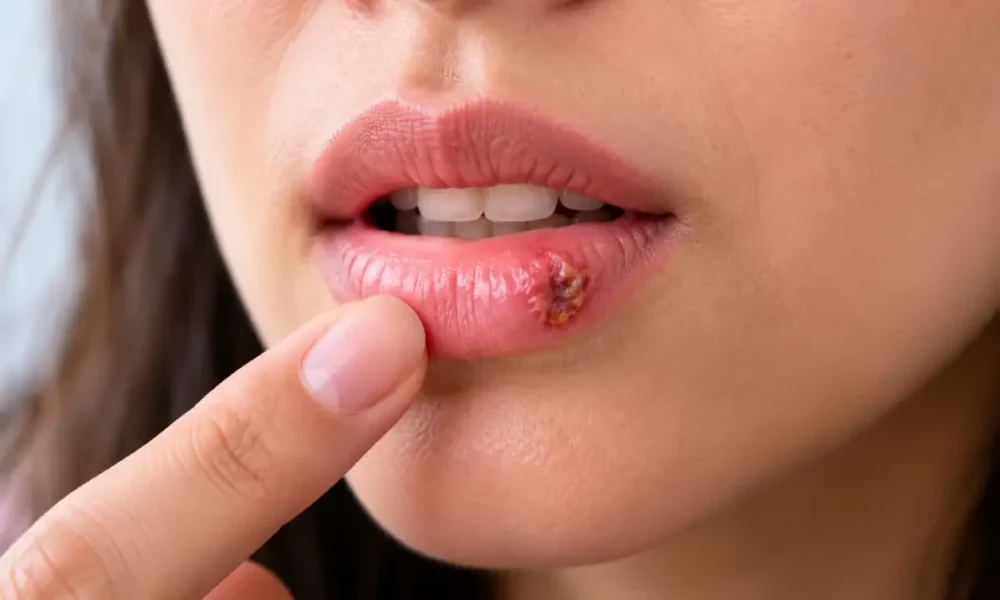
Most cold sore misery happens in public, not at home. Meetings, meals, and chats keep drawing eyes to the lip. A cold sore patch seals the blister under thin hydrocolloid film. That seal keeps fingers, food, and germs off healing skin. Lipstick can even sit on top without smudging the cover. The science behind hydrocolloid, ideal timing, and safe removal follow.
Hydrocolloid Turns Blister Fluid Into Healing Gel
Hydrocolloid began life as a hospital wound dressing. Blister fluid makes its particles swell into soft gel. That gel holds steady moisture against the lesion. Moist wounds rebuild tissue faster than dry, cracked ones. With less crusting, painful splits during smiles become rare. Even so, the film lets lip skin breathe.
Why Apply At The First Tingle?
Timing shapes the whole outbreak from day one. Early wear brings four clear gains:
- The shield covers skin before blisters rupture open.
- Fingers cannot carry fluid to nearby lip areas.
- Burning and itching ease once air contact stops.
- Scabs stay small because moisture never escapes.
Comparing Patch Wear With Antiviral Creams
Creams rub off with every sip of coffee. Reapplying every few hours turns into a chore. One cold sore patch holds for up to twelve hours. In one randomized trial, healing speed matched five percent acyclovir cream. Creams attack the virus; the dressing treats a wound. Prescribed oral antivirals can still run alongside it.
What Daily Routines Can It Survive?
Daily wear means little unless the cover survives real life. Its waterproof backing copes with ordinary moments:
- Morning coffee leaves the edges sealed.
- Lipstick and gloss layer over smoothly.
- Lunch never touches the open blister.
- Long phone calls cause no slipping.
- Evening workouts rarely loosen the grip.
Clean, Dry Lips Help Adhesion Hold
Adhesion fails fastest on greasy skin. Balm, gloss, or leftover ointment leaves a film blocking grip. Washing and patting the area dry solves that. Pressing the centre first, then the edges, pushes out air. For steady cover, swap in a fresh one each morning.
How Should Removal Protect Fragile Skin?
Ripping a cover upward tears delicate new tissue. Instead, lift one edge and slide it along the lip. Slow peeling keeps the regenerating layer intact. Used dressings carry live virus, so bin them at once. Washing hands afterward stops spread to eyes or other people. If the outbreak worsens or lingers, see a doctor.
A Twelve-Hour Shield Rewrites Social Plans
Cold sores rarely keep anyone home for medical reasons. Embarrassment, not pain, does that job far more often. A clear seal lasting twelve hours removes that excuse. With lipstick over it, a Monday presentation still happens. Matching acyclovir in a trial matters, yet confidence matters more. Hidden wounds stop dictating the calendar.
FAQs
Can hydrocolloid lip covers be worn overnight?
Yes, most lip-specific versions are built for both day and night use. Swap in a fresh one each morning so a clean seal starts the day.
Are acne dots a fair substitute for lip patches?
Acne dots share similar hydrocolloid but aren’t shaped or tested for moving lip skin. A lip-specific design grips better during talking and stays far less visible.
Do these dressings stop the virus from spreading?
The seal blocks contact with blister fluid, which lowers transmission risk considerably. Kissing and sharing cups should still wait until healing is complete.
When should someone see a doctor instead?
Frequent outbreaks, sores near the eyes, or healing beyond two weeks need professional review. A doctor can prescribe oral antivirals for stubborn, recurring cases.
Are lip patches safe for children to use?
Most hydrocolloid lip covers are labelled suitable for both adults and children. Check the packaging age guidance first, and get a doctor’s advice for very young kids or first-time outbreaks.