
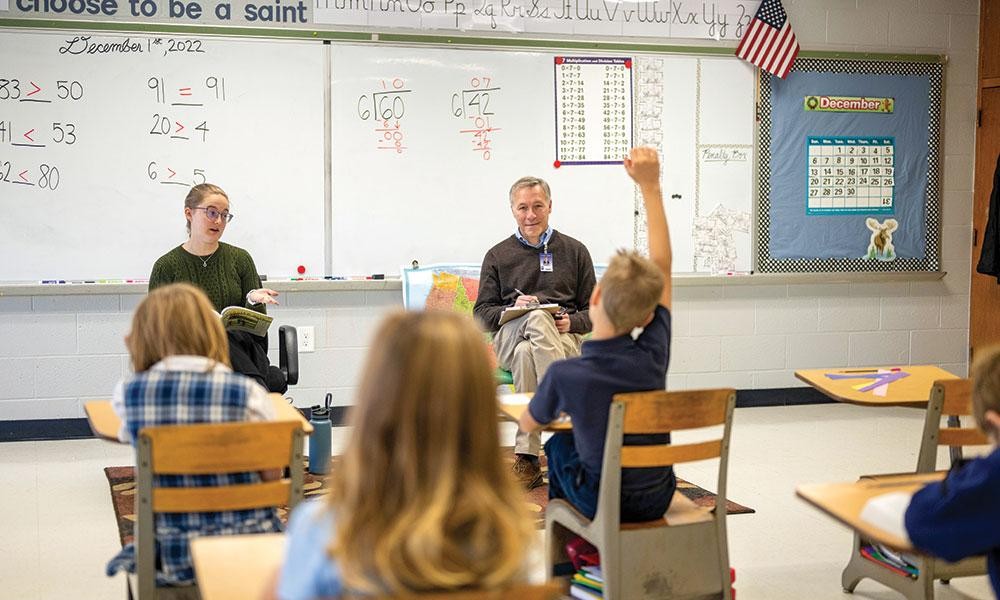
A tuition-free classical charter school can offer a distinct academic path that differs from many modern approaches. Families often seek strong academics, character formation, and a structured environment that builds discipline and curiosity. This model draws from time-tested methods that emphasize literature, history, language, and logic. A clear sense of purpose defines these schools, which often attract those who value tradition and intellectual depth.
In places such as Colorado, interest in classical models has grown due to a desire for academic rigor and moral grounding. Options like classical education in Colorado Springs at RMCACS reflect this shift toward structured learning rooted in proven methods. This article explains key points that deserve attention before any final decision, so families can choose a school that aligns with academic goals and personal values.
The Core Philosophy Behind Classical Education
A classical charter school builds its curriculum on the liberal arts tradition. This approach focuses on grammar, logic, and rhetoric as stages of learning. Younger students gain knowledge through facts and language. Middle grades focus on reasoning and analysis. Older students refine communication and persuasion skills. Such a framework encourages deep comprehension rather than surface-level knowledge. Great books, historical texts, and primary sources often serve as the foundation. This style nurtures critical thought and fosters a lifelong love of learning.
Academic Structure and Curriculum Focus
Curriculum design sets classical schools apart. Subjects such as Latin, literature, and Western civilization often play a central role. Mathematics and science receive equal attention, though instruction may follow a more traditional sequence.
A typical day may include:
- Literature studies based on classic works
- History lessons that follow a chronological timeline
- Language instruction with emphasis on Latin or grammar
- Math instruction with clear, step-by-step methods
This structure provides consistency and clarity. It also builds a strong academic base that prepares students for higher education.
Expectations for Student Conduct
Classical charter schools in Colorado Springs often maintain clear expectations for behavior and respect. A structured environment supports focus and discipline. Students learn responsibility, courtesy, and accountability. Dress codes may exist to promote unity and reduce distraction. Classroom routines tend to follow a consistent pattern, which helps students stay engaged and organized. Families should review these expectations to ensure a good fit. A shared commitment to these values often leads to a more positive experience for both students and teachers.
Role of Parents and Family Involvement
Parental involvement plays an important role in a classical setting. Schools in Colorado Springs often encourage active participation through volunteer work, meetings, and academic support at home. Communication between teachers and families tends to remain strong and consistent. This partnership supports student growth and reinforces lessons beyond the classroom. A clear understanding of expectations helps families stay engaged and aligned with school goals.
Teacher Approach and Classroom Style
Teachers in classical charter schools often follow a direct instruction model. Lessons may include discussion, recitation, and guided analysis. This method encourages active participation and sharp thinking. Small class sizes can allow more attention to each student. Teachers often act as mentors who guide intellectual and moral development. This approach may differ from more flexible or student-led models, so it is helpful to observe a classroom or attend an open house before enrollment.
Long-Term Academic Benefits
A classical education often prepares students for success in college and beyond. Strong reading comprehension, writing ability, and reasoning skills form a solid academic base. Graduates may show confidence in public speaking and debate. They also tend to approach complex ideas with clarity and depth. These outcomes reflect the emphasis on discipline, structure, and intellectual growth found in classical schools.
School Culture and Community Environment
School culture shapes the daily experience for students and families. A classical charter school often promotes respect, unity, and shared purpose. Events such as assemblies, performances, and academic showcases help build a sense of community. Students in Colorado Springs often feel connected through shared traditions and values. A visit to the campus can provide insight into this environment. Observing interactions among students and staff offers a clear picture of daily life.
Enrollment Process and Availability
Charter schools in Colorado Springs use a lottery system for admission due to high demand. Families should review deadlines and application requirements early. Waitlists may exist, so planning ahead is essential. Open houses and information sessions can provide helpful details about the process. A clear timeline helps families stay prepared and avoid missed opportunities.
Location and Accessibility
Location plays a key role in daily routines. Travel time, transportation options, and proximity to home should factor into the decision. A convenient location can reduce stress and allow more time for study and family activities. Schools in Colorado Springs offer access to a community that values education and growth, which can enhance the overall experience.
A tuition-free classical charter school can offer a meaningful path for students who thrive in a structured and academically rich environment. Careful research, campus visits, and open communication with school staff can help clarify whether this model fits specific needs. Options such as classical education in Colorado Springs at RMCACS highlight the value of tradition, discipline, and academic excellence in today’s educational landscape. A thoughtful approach to selection can lead to a rewarding and lasting educational journey.